





After devoting a lot of time with online games, I return to the Aviator because it does one thing perfectly. It bypasses complicated rules and focuses on the raw feeling of risk. You aren’t competing against the house or other players; you’re in a race against a number that could evaporate without warning. This setup generates a specific kind of pressure, a direct shot of adrenaline that is the whole point of playing. What I’ve learned is that the game’s genius is in this simplicity. It uses a basic idea and turns it into a powerful emotional ride. Every round unfolds its own short story about greed, timing, and nerve. You can feel the tension in the air, which makes the game as captivating to watch as it is to play.
The Core Mechanics: How the Aviator Game Operates
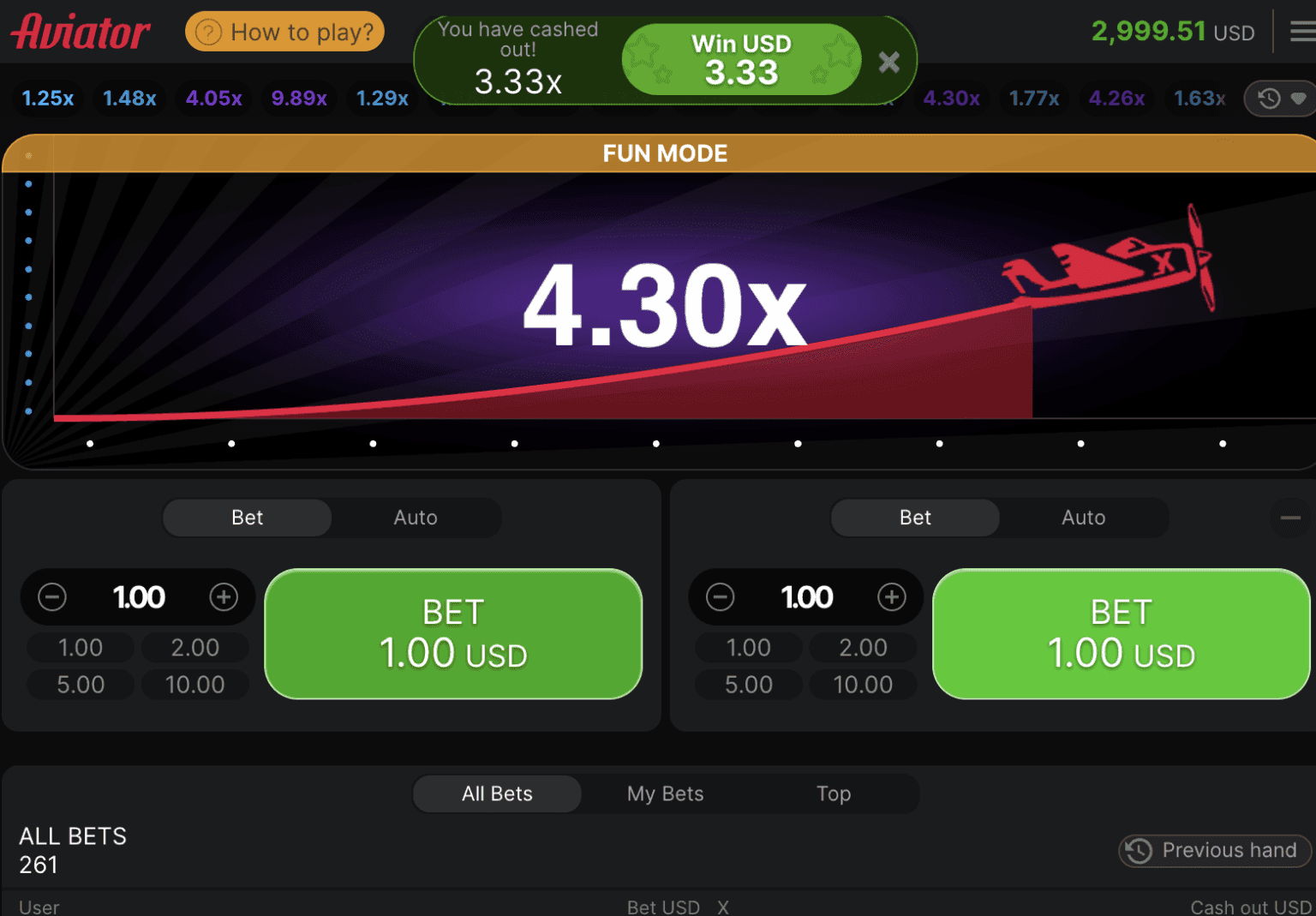
Getting the hang of the Aviator game is straightforward. Becoming accustomed to the tension it generates is the actual challenge. Each round begins with a plane, represented as a line on a graph, starting to climb. A multiplier begins at 1.00 and increases as the plane gets higher. Your only job is to hit the ‘Cash Out’ button before the plane randomly flies off the screen. Cash out at a 2.00 multiplier, and you double your money. Withdraw at 5.00, you obtain five times your bet. But if the plane vanishes before you press, you forfeit that stake. There’s no skill involved in guessing when it will leave—it’s totally random. So the whole game becomes a psychological battle with yourself. You’re forever balancing the chance for a larger payout against the immediate risk of losing everything. It’s a pure, focused form of gambling excitement.
The Mental Science of the Adrenaline Spike
That rush you experience playing Aviator is no coincidence. It’s meticulously designed into the design. The live climbing multiplier acts as a powerful visual and mental stimulus. Watching your potential winnings increase every second hits straight at our deep-seated response to growing gains. The random crash introduces another dimension, keeping you in a state of high awareness and anticipation. The game is a expert at leveraging the “near-miss” effect and the anxiety of missing out, or FOMO. Seeing the multiplier crash immediately after you cashed out gives you a wave of grateful joy. Popping a split-second before you click creates a pang of remorse. This cycle of waiting, deciding, and witnessing the conclusion saturates your system with dopamine and cortisol, creating a powerful cocktail of thrill that pulls players back for another round.
Core Aspects That Shape the Experience
Some key components come together to create the unique vibe of Aviator. The primary is its minimalist design, which eliminates all distractions and focuses you entirely on the increasing value and the withdraw control. Then is the peer influence: most versions show a real-time record of what other users are betting and cashing out. This is not only for appearance. It straightforwardly affects your choices. Seeing someone else withdraw at a large multiplier may tempt you to wait longer, while a series of early losses could lead you to bail out too early. Finally, the round’s speed is all-important. Rounds are over rapidly, sometimes in mere moments. This enables quick rounds and maintains the entire experience progressing at a breakneck speed. These elements blend to form a smooth, communal, and extremely fast form of gaming that has grown into its hallmark.
Visual and Audio Triggers
The look and audio of Aviator serve a understated but vital role. The ascending chart line, usually combined with a growing tone or note, creates tension you can practically bodily feel. The second of a failure or a profitable cash-out arrives with a specific sound—a satisfying ‘cha-ching’ or a sharp, intense stillness. These cues exceed decorating the interface. They shape your responses and lure you deeper into the experience. They turn theoretical figures into a complete sensory feeling, rendering a win feel more real and a failure more shocking.
The Community Multi-user Aspect
Aviator differs from classic slot machines because it regularly places you in a digital environment with dozens of other players. You observe their wagers and their withdrawal moves as they happen. This transforms a personal action into a shared experience. You might sense a connection with the users who cashed out beside you, or a twinge of resentment toward someone who risked it all and achieved a 10x multiplier. This extra interactive dimension introduces a contesting and relative element that I feel significantly heightens the psychological investment.
Crafting a Individual Play Strategy
Aviator is a game of luck, but a practical approach can help you manage your bankroll and perhaps extend your play. I don’t consider any tactic as a way to make a certain gain. Instead, I view it as a framework for engaging in disciplined play. The most critical rule is to determine a loss limit and a win objective before you log in, and then stick to them no matter what. The game is so fast-paced it can blur your judgment. Next, reflect on your bet amount. Employing a small, consistent fraction of your total bankroll for each round can shield you from a bad streak depleting your funds. Some players try a “one-and-done” or “increase-bet” method after wins or losses, but I’ve observed these approaches hasten losses just as fast as they can boost wins.
- Define Absolute Limits: Pick the most you’re ready to lose and a profit goal that will make you stop. Exit the game when you reach either one.
- Employ a Fixed Bet Size: Bet the same small amount every round. This helps you avoid making greater, emotional bets after a loss, which is chasing losses.
- Practice with Free Mode: Almost all sites present a free bet option. Take time there to understand the game’s flow without gambling with real cash.
Accepting the Role of Randomness
You have to get this into your head: the Aviator game runs on a Random Number Generator, or RNG. Every round’s result is distinct and impossible to foresee. The plane might crash at 1.10 or it might keep going past 100x. There is no pattern, no “due” crash, and no secret algorithm based on past rounds. This is the single most crucial idea to understand. Believing in “hot streaks” or “cold tables” is a trick of the mind called the gambler’s fallacy. The game’s design, especially that live feed of bets, can make you see patterns that aren’t there. Recognizing the total randomness is the bedrock of playing responsibly. It reminds you that every cash-out choice is about your own comfort with risk, not a clever prediction of what comes next.
What to Seek in a Top Aviator Platform
Selecting where you play is important just as much as how you play. A good platform guarantees fairness, security, and a satisfying experience. My first check is always for valid licensing. A site with a license from a tough regulator like the Malta Gaming Authority or the UK Gambling Commission gets audited regularly, which demonstrates the RNG is honest. Second, look for the game’s listed Return to Player, or RTP, percentage. Aviator typically has a high theoretical RTP, often around 97%, but this can vary depending on the provider. Third, evaluate the user experience. You need smooth performance, a clear cash-out button, and an reliable record of your game history. Finally, check the payment options and how fast they process withdrawals. A reliable site will give you various secure methods and won’t delay when you want to take your money out.
Common Misconceptions and Pitfalls
A few persistent and risky myths accompany games like Aviator. The greatest one is the idea that a clever strategy can “beat” the game. No betting system can cancel out the built-in house edge defined by the random crash point. Martingale systems, where you increase your bet after a loss, are particularly dangerous and can cause huge losses very quickly. Another trap is misjudging the social feed. Just because a few players cash out at high multipliers doesn’t mean a higher multiplier more likely next time. Each round is independent. Also, the adrenaline rush itself can become a concern, driving you to chase losses or blow past the limits you set when you were thinking clearly. I tell players to guard against these psychological traps.
The importance of Controlled Gaming
As Aviator is so intense and rapid, a disciplined mindset is a must. That identical adrenaline surge that makes it fun can also lead to rash, damaging choices. It’s impossible to overstate how critical it is to establish firm time and money limits before you begin. Use the responsible gaming tools that good platforms offer, like deposit limits, loss limits, session time alerts, and the choice to take a break. Think of the game as a form of paid fun, not a source of income. The cost of your session is the money you’re okay with losing. If you catch yourself trying to recover losses or extending your session, that’s a major red flag to stop. The aim should be to enjoy the thrill, not to be swallowed by it.
Contrasting Aviator with Traditional Casino Games
Aviator represents a distinct move from conventional casino games flytakeair.com. It doesn’t require the skill or game knowledge of blackjack or poker. Unlike roulette, you do not take your bet before the spin; you choose while the event is actually happening. And unlike slots, the result isn’t instant; you make an engaged, time-pressured call to make during the round. This interactive element while the round plays out is what changes everything. Also, the group openness—seeing what everyone else picks—is scarce in traditional games. To me, Aviator pertains to a different class of “crash” games. It offers a more straightforward, quicker, and more transparent kind of action contrasted the more structured, paced tempo of traditional table games, even though the hazard is just as real.
- Choice Timing: In standard games, you act before the outcome. In Aviator, you act while it develops.
- Expertise Factor: Poker requires skill. Aviator is entirely about managing your own mindset under pressure.
- Communal Layer: Aviator shows you what other players are doing, which influences your play in real time. Most classic games maintain this private.
- Rhythm: Aviator rounds take seconds, packing far more betting events into an hour than traditional games.