




For many pilgrims, Jannat ul Baqi Madina is more than just a cemetery it’s a deeply spiritual landmark that connects the heart to the earliest days of Islam. Whether you’re performing Umrah or planning a ziyarat tour, understanding the history, rules, timings, and meaning behind Jannat ul Baqi enriches your journey in ways few other sites can.
From its origins to visitor logistics such as opening times, women’s access, and location details, this ultimate guide covers everything you need to know plus practical tips tailored for pilgrims hoping to plan their visit with clarity and reverence.
Table of Contents
- What Is Jannat ul Baqi? Meaning & Origin
- Location: Where Is Jannat ul Baqi Located?
- History of Jannat ul Baqi — From Early Islam to Today
- Demolition of Jannat ul Baqi — What Happened?
- Who Is Buried in Jannat ul Baqi? (Graves, Names & Importance)
- Jannat ul Baqi Timings & Visiting Rules
- Can Women Go to Jannat ul Baqi? Women’s Access Explained
- Visiting Etiquette & Ziyarat Practices
- Map, Entrance & How to Find the Graves
- Table – Overview of Key Information
- Why Visiting Jannat ul Baqi Matters — Spiritual Significance
- Majmua’s Complete Umrah & Ziyarat Support
- 5 FAQs About Jannat ul Baqi
What Is Jannat ul Baqi Meaning and its Origin
Jannat ul Baqi Madina (also spelled Jannatul Baqi or Baqi al-Gharqad) literally means the Garden of the Righteous or Garden of Heavenly Rest. This name reflects how early Muslims regarded this site not simply as a cemetery, but as a sacred ground holding countless faithful who contributed to the foundation of Islam.
Established shortly after the Prophet Muhammad ﷺ migration (Hijrah) to Madinah in 622 CE, it became the city’s main burial ground. The choice of this land for burials came naturally as Madinah grew into an Islamic hub.
Where Is Jannat ul Baqi Located?
Jannat ul Baqi is located in Madina, Saudi Arabia, immediately adjacent to one of Islam’s most revered sites Masjid an-Nabawi (the Prophet’s Mosque).
To be precise jannat ul baqi location is:
- It lies southeast of Masjid an-Nabawi, on the edge of the mosque’s courtyard.
- Multiple entrances exist, and visitors generally use specific gates near the Prophet’s Mosque for quick access.
This proximity makes it a regular stop for pilgrims already at the mosque.
History of Jannat ul Baqi Madina — From Early Islam to Today
The story of Jannat ul Baqi begins in the early Islamic era. Before its use as a cemetery, the area was covered in shrubbery particularly a type of thorn called al-gharqad. The land eventually gave its name to the cemetery: Baqi al-Gharqad.
Here’s a quick timeline of jannat ul baqi history:
- 622 CE: After Hijrah, the first burials begin.
- First burial: One of the earliest Companions, Uthman ibn Maz’un, is buried here.
- Later centuries: The cemetery grows and becomes the primary burial site for Muslim men, families, and scholars in Madinah.
- Early structures: In centuries past, graves of important figures had domed enclosures and small shrines.
- Modern era: The site became plain and uniform you can aslo see jannat ul baqi old images.
Today, Jannat ul Baqi graveyard consists of simple grave markers or no markers reflecting a focus on dignity and humility.
Jannat ul Baqi Before Demolition — What Happened?
At two points in history, structures in Jannat ul Baqi cemetery were demolished. The 8 shawal tragedy.
In 1806 and again in 1925/1926, Saudi religious authorities ordered the removal of domes and mausoleums that had been built over graves. These actions were driven by a conservative interpretation of Islamic teachings that discouraged structures which some felt could encourage veneration of the dead.
Today, the site appears humble and open but the meaning behind it remains powerful.
Who Is Buried in Jannat ul Baqi Madina? Graves, Names & Importance
One of the most frequently asked questions is “Who is buried in Jannat ul Baqi?” and this matters greatly for pilgrims seeking spiritual context. Graves in Jannat ul Baqi Include:
Family Members of Prophet Muhammad ﷺ
Jannat ul Baqi contains the graves of many members of the Prophet’s family, including his daughters like Ruqayyah, Umm Kulthum, Zainab, and possibly Fatimah (RA) according to traditional accounts. His infant son Ibrahim is also buried here, having been laid to rest by the Prophet ﷺ himself.
Thousands of the Prophet’s Companions (Sahabah)
According to Islamic tradition, the cemetery houses over 10,000 companions of the Prophet ﷺ. These include early converts and notable Sahabah such as Uthman ibn Maz’un, Abu Hurayra, Sa’d ibn Abi Waqqas, Abdullah ibn Mas‘ud, and others although most graves today are unmarked.
Prominent Islamic Leaders and Descendants
Several important figures in Islamic history rest in Jannat ul Baqi, including members of the Ahl al-Bayt (family of the Prophet) such as Imam Hasan ibn Ali, Zain ul-‘Abideen, Muhammad al-Baqir, and Ja’far al-Sadiq revered by many traditions as well as relatives like Abbas ibn Abd al-Muttalib.
Wives of the Prophet ﷺ and Other Close Companions
All of the Prophet’s wives except Khadijah (RA) and Maymunah (RA) are buried here including Aisha (RA), Hafsa (RA), Umm Salama (RA), Sawda (RA), Safiyya (RA), and others making this site especially significant for pilgrims.
Scholars and Other Notable Early Muslims
In addition to the above, Jannat ul Baqi contains graves of early Islamic scholars and righteous Muslims whose contributions shaped Islamic thought and community life in Madinah, although their exact locations are not always clearly marked today.
Because Saudi authorities removed individual markers, exact grave names aren’t visible today but Islamic scholars have preserved much of the traditional knowledge about who lies where.
Jannat ul Baqi Madina Timings and Visiting Rules
Understanding when Jannat ul Baqi is open is vital for planning:
- Best visiting times: After Fajr (morning prayer) for about a few hours and after Asr (afternoon prayer) for a shorter period.
- Jannat ul baqi opening time visits are scheduled and often managed to avoid crowds.
- Pilgrims typically enter through designated jannat ul baqi gate number near Masjid an-Nabawi when these windows open.
Etiquette & rules:
- Maintain respect and silence.
- No photography in many areas (security rules may vary).
- No rituals or exaggerated practices simply dua and reflection.
Can Women Go to Jannat ul Baqi? Women’s Access Explained
One of the most commonly searched questions is: “Can women go to Jannat ul Baqi Madina? & jannat ul baqi timings for ladies?”
Current Saudi rules typically do not allow women inside the cemetery grounds. However, female pilgrims can stand near boundary walls, often behind grills, and offer dua (supplication) from outside.
Women may also recite dua for jannat ul baqi with supplications and fatiha near those boundary areas. Also you can read our guide on Women Group Umrah from the USA.
Rules can vary slightly by season or mosque authority directives, so checking during your visit with local staff is always wise.
Visiting Etiquette and Ziyarat Practices
When planning Jannat ul Baqi ziyarat Madina:
- Dress respectfully and maintain composure.
- Jannat ul baqi appointment and visit timings
- Refrain from loud speech during jannat ul baqi entrance
- Read Jannat ul Baqi dua — asking peace for all occupants.
- Reflect on life, death, and legacy — this is one of the cemetery’s greatest lessons.
These practices honor the history and sanctity of this site. Also you can read our guide on How to Perform Umrah for Beginners here.
How to Find the Graves: Jannat ul baqi Map with Names Entrance
Although Jannat ul Baqi graves names isn’t officially provided by Saudi authorities, many guidebooks and local scholars create approximate layouts showing areas where specific graves traditionally lie.
Pilgrims commonly use the nearest gate to Masjid an-Nabawi to enter the cemetery during scheduled times and follow guide instructions or group leaders.
Why Visiting Jannat ul Baqi Madia Matters — Spiritual Significance
For many pilgrims, Jannat ul Baqi significance isn’t just historical it’s emotional and spiritual. Standing near the graves of those who lived with the Prophet ﷺ reminds us of the fleeting nature of life and the strength of faith.
Visiting Religious sites in Madinah but this cemetery can inspire humility, gratitude, and reflection on our final return to Allah a powerful moment in any Umrah ziyarat guide or pilgrimage plan.
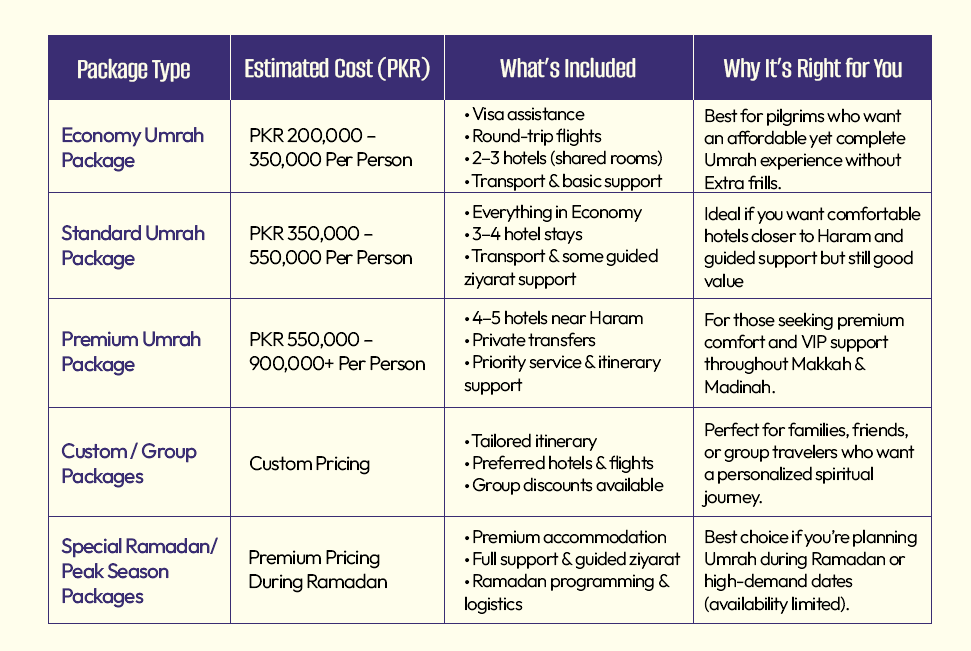
Best Umrah Packages Breakdown with Variety of Bundles to Choose From
Majmua’s Complete Umrah and Ziyarat Support
A trip to Jannat ul Baqi is an eye opener to pilgrims like you, something that augments your experience of Umrah or ziyata and supplements your heart with tranquility and meditation. And when you make this visit with Majmua you are not merely making a journey, you are inviting education, illumination, and spiritual satisfaction into your adventure.
At Majmua, we know that Umrah is more than rituals it’s a spiritual journey. Our personalized pilgrimage support ensures:
- Smooth planning for Jannat ul Baqi visit timings
- Guidance on prophetic sites in Madinah
- Tips on etiquette for adults and families
- Local support staff to ensure a peaceful ziyarat experience
Ready for a spiritually fulfilling trip that’s easy and stress-free? Explore Majmua’s Packages andwe will guide you every step of the way.
Conclusion: Your Soul relationship with Jannat ul Baqi.
When you look back on your experience in Jannat ul Baqi in Madina, you will know this is not just a historic cemetery, but it is more like a living book of Islamic history and a strong reminder of temporality of this life and the legacy of faith. The spirits of this sacred soil are those whom, since the days when the Prophet ﷺ was a young boy, the first to share his being were the noblest in my faith, and the martyrs who made it what it is to-day.
By simply standing close to these unmarked graves, you are encouraged to stop, pray and reflect not only as a visitor, but also as a person who is greatly attaching to the past, but also reflecting on your own spiritual journey. The homely heaps and quiet lines will teach you modesty and equality before Allah and the beauty of pure supplication.
Majmua wishes you a successful pilgrimage and hopes that every step you take will draw you closer to faith, thought and calm.
FAQs about Jannat ul baqi Madinah
1. What is Jannat ul Baqi and why does it matter to me?
By asking this, you are asking this: What is special about Jannat ul Baqi. It is the oldest and original Islamic cemetery in Madinah, the al-Baqi or Baqi al-Gharqad, in which numerous of the companions of the Prophet Muhammad, his relatives and early Muslim personalities are buried and so it is one of the most spiritually significant places that you can visit during Umrah or ziyarah.
2. Where is Jannat ul Baqi located so I can visit it?
Jannat ul Baqi can be found just southeast of Masjid an-Nabawi in Madinah, Saudi Arabia. It is located directly adjacent to the Mosque of Prophet that is in the case that you have offered prayers in Masjid an-Nabawi you are only a few steps away to this holy cemetery.
3. When can I visit Jannat ul Baqi during my Umrah or ziyārat?
The cemetery usually accommodates pilgrims after the Fajr (morning) prayer, and after the Asr (afternoon) prayer. These particular visiting windows assist in the control of crowds and entrance into the site at peace and concentration. Also there are jannat ul baqi old pics on internet from real pilgrims.
4. Can I as a woman go inside Jannat ul Baqi or offer dua?
When you are referring to access, women are not usually allowed as Jannat ul Baqi visiting rules to enter the cemetery itself, though, you may go to the edge or near the area around the cemetery to make your prayers (dua) and meditate. This will provide you with a method of relating to the site in a cordial manner.
5. Who is buried in Jannat ul Baqi and why is it important for me to know?
You would be ashamed to hear that thousands of friends of the Prophet ﷺ, of his household (daughters and wives and much of the important early Muslims) rest there, in Jannat ul Baqi, and it is this which lends such historical and personal feeling to your visit.